
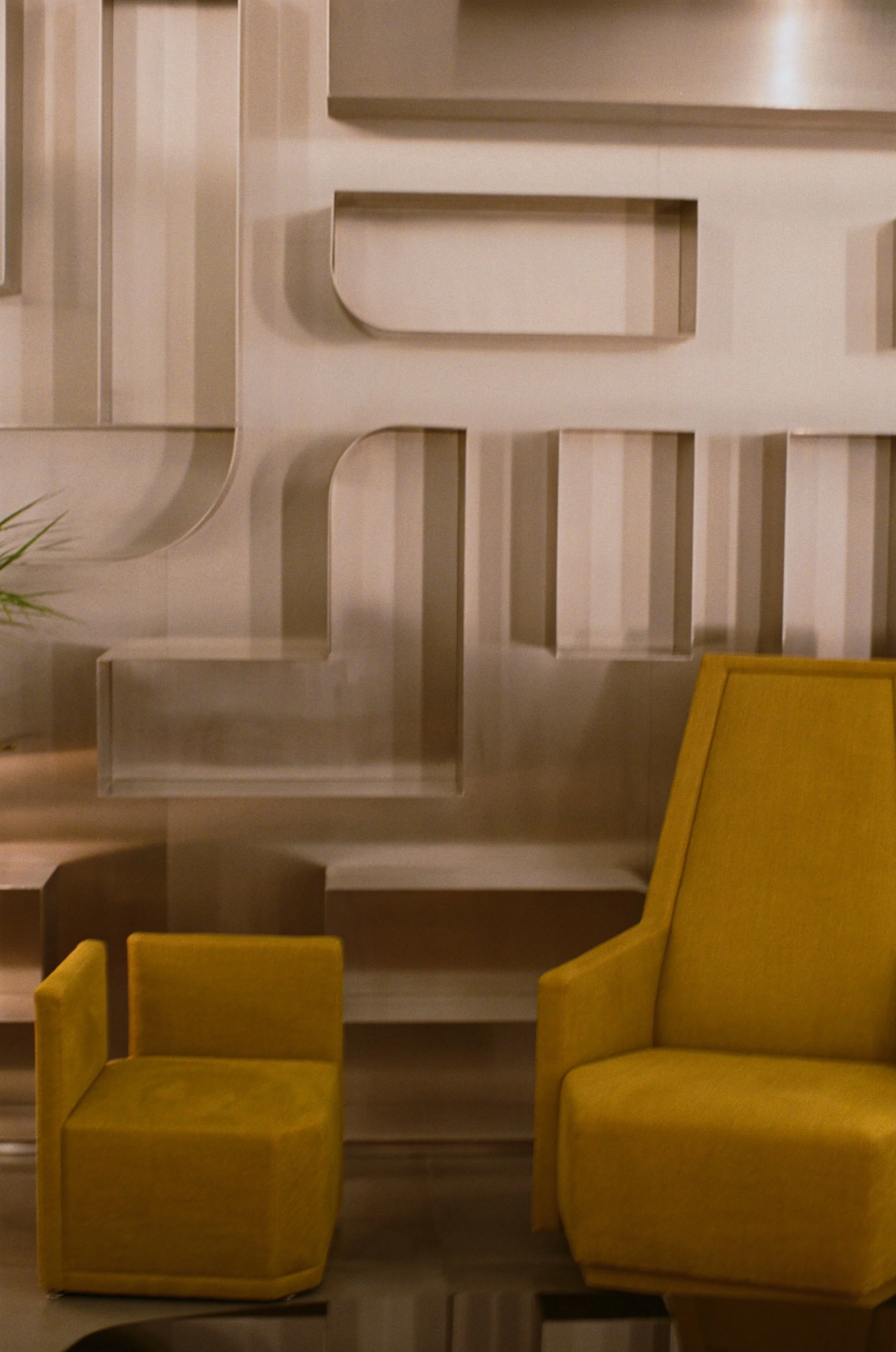
The Kaiser’s Apartment and the Purity of Form
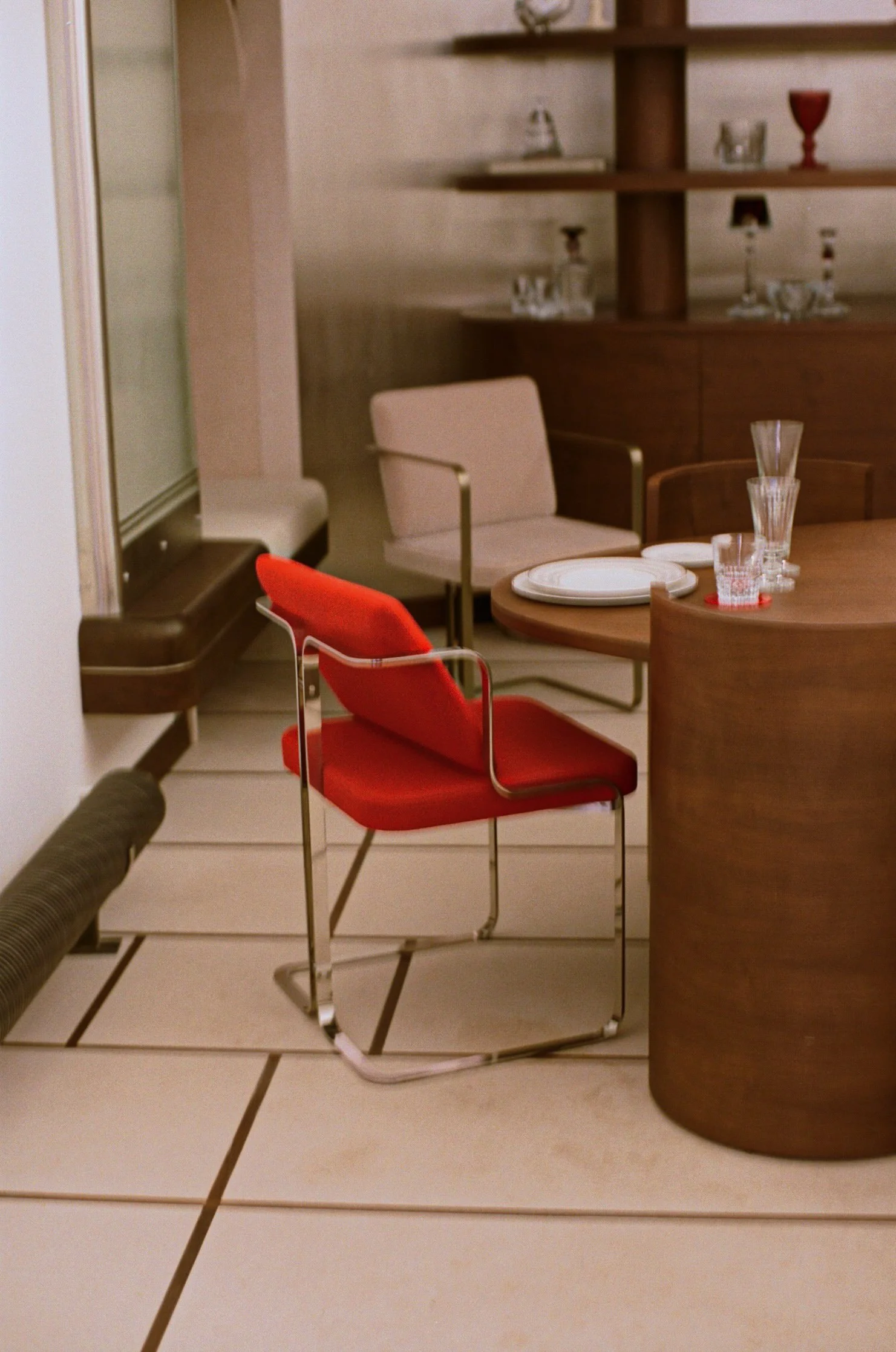
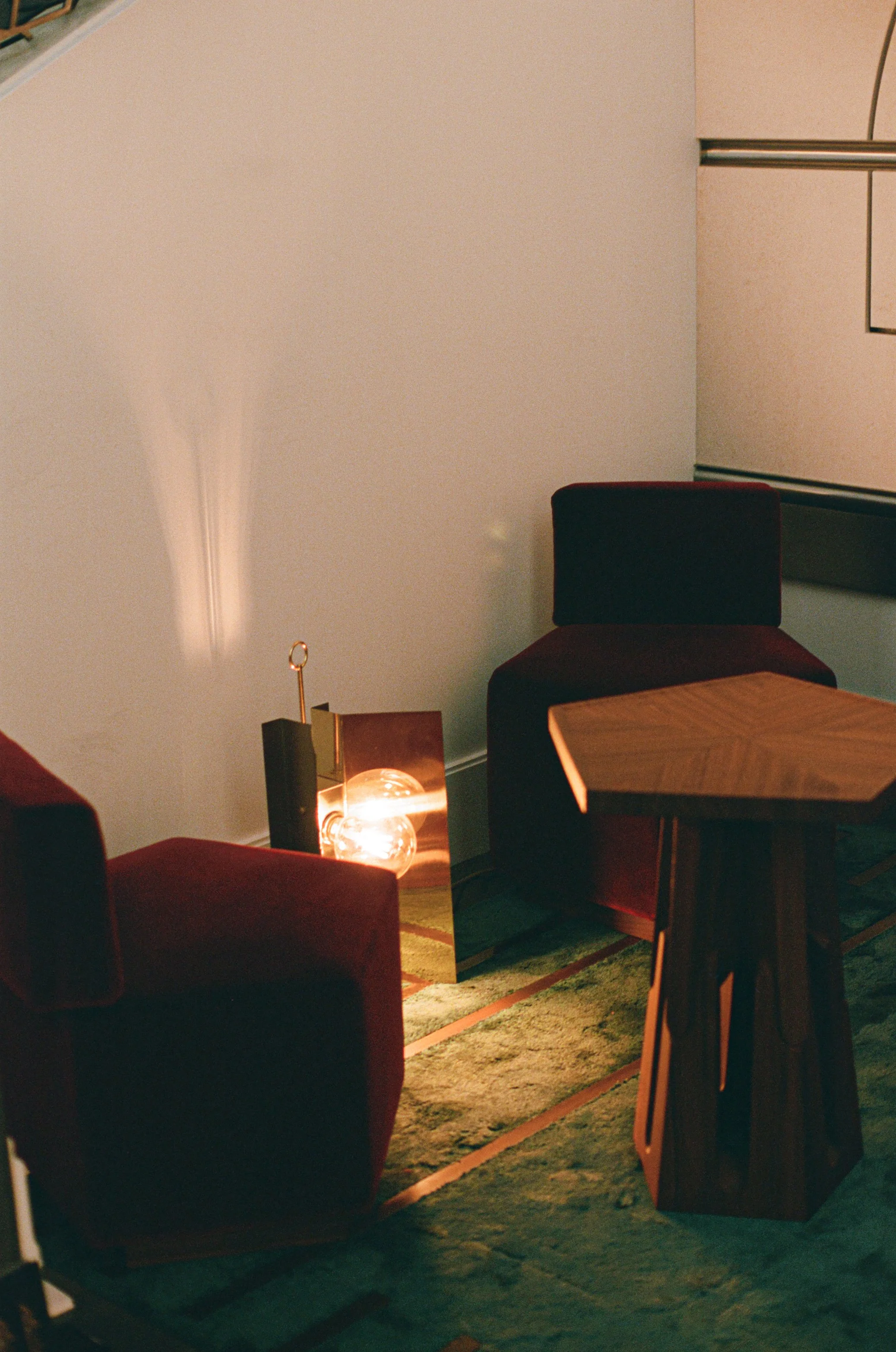
The line takes in growth without losing its substance, keeping its proportion intact, far from any temptation of display.
Marta Sala pays attention to what usually escapes the eye. Not the obvious elegance of a room, but its quiet backstories: the curve behind a chair, the hidden side of a joint, the places where time leaves its signature and where a drawing proves its integrity through daily contact with the body. There is something almost intimate in this way of looking. It reveals how an object holds, how it ages, how it resists the temptation of easy seduction and settles into a slower, deeper form of presence.
In her work, colour never plays the role of decoration. It carries density, temperature, gravity. Textiles absorb volume without dissolving its architecture, while walnut assemblies interlock with the calm assurance of Japanese carpentry. A table seems to find its own height, guided by the internal logic of the material, as if the form were listening before deciding.
This sensibility grew quietly in Milan, inside the workshops of Azucena, the family house founded by her mother Maria Teresa Tosi with her uncle Luigi Caccia Dominioni. Among tools, tolerances and patient adjustments, she learned the discreet discipline of making, the respect for time, long before design became an intention or a signature.
At Bel Ouvrage, Carole de Bona orchestrates space with the same discreet intelligence. Nothing seeks attention. Objects find their place, and the eye slows down, begins to read the room the way one reads a text, line by line, nuance by nuance, until a form of calm settles in.
The apartment on Rue de Verneuil prolongs this feeling. Spare, contained, almost protective, it once offered shelter to a gaze saturated by fashion and images. Here, vision decelerates. Things regain their weight, their silence, their duration. The space does not impress. It stays.